


Näkymät: 5
Mainstream Tag Types & Applicable Scenarios
The following tag categories can be mixed and matched based on brand image, activation strength, and read range:
- RFID Hang Tags RFID chips embedded in paper or synthetic hang tags; support full-color printing, barcodes/QR codes, and pricing info—balancing brand visuals with inventory efficiency. Ideal for standard ready-to-wear retail.
- Washable RFID Laundry Tags Engineered with laundry-grade encapsulation to withstand washing, ironing, and dry-cleaning. Perfect for uniforms, sleepwear, children’s/infant underwear, and other high-durability scenarios.
- Flexible/Embedded RFID Tags Chips and antennas laminated into PP/PE/PET films or aluminum-foil composites; can be paired with adhesive labels or auxiliary materials for inner labels, trims, or packaging linkage.
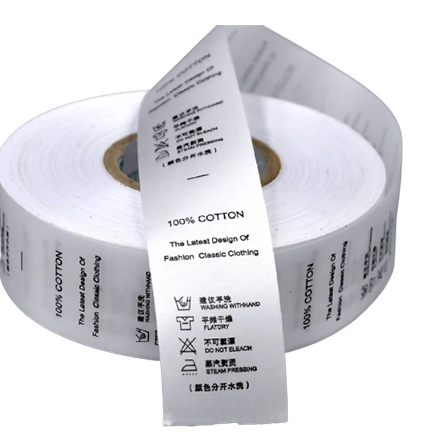
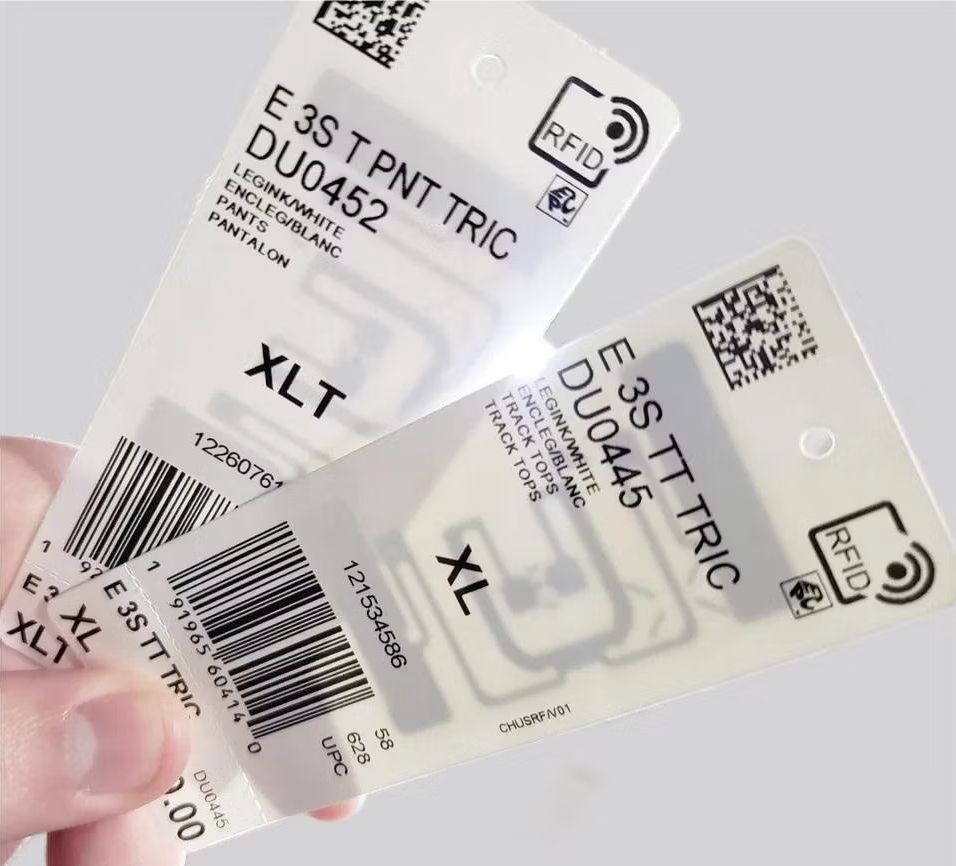
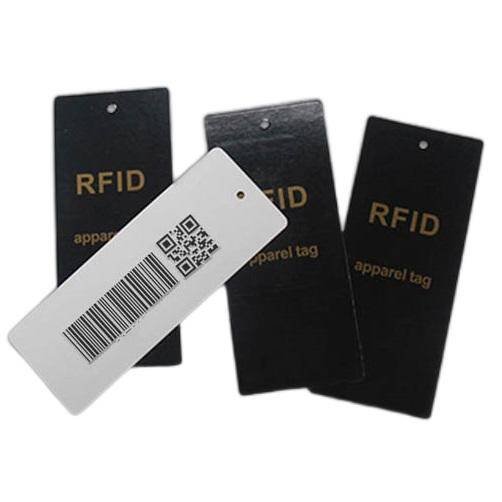
Note: Charmetack’s RFID portfolio spans hang tags, washable tags, embedded/flexible labels, and wristbands, enabling unified chip and data standards across retail, supply chain, and laundry ecosystems.
Key Technologies & Selection Checklist
Frequency Options
- UHF (860–960 MHz): Long read range and high-throughput scanning—standard for warehouses and bulk inventory.
- HF/NFC (13.56 MHz): Ideal for close-range interaction (mobile membership touchpoints, after-sales service).
Substrate & Structure
- Face Stock: PP synthetic paper, PE/PET film, aluminum foil—available in white, transparent, or metallic finishes with varying strength.
- Adhesive/Backing: Hot-melt and specialty adhesives rated from -10 °C to 60 °C for reliable bonding and durability.
- Washable Construction: “Wash-resistant structure + flexible substrate + chip encapsulation + die-cut” process ensures performance across multiple wash cycles.
Printing & Data Integration
- Printing & Finishing: 4-color process, foil stamping, perforation, die-cutting—keeps visual branding consistent while embedding RFID.
- Encoding & Serialization: EPC encoding, unique IDs, and barcode/QR code pairing for seamless system docking and error-proofing.
Selection Checklist (Prepare Before Sampling/Ordering)
- Use Case: Inventory only / Store + Warehouse / Wash durability / Interactive (NFC).
- Frequency & Read Range: UHF (inventory priority) or HF/NFC (interaction priority).
- Appearance & Size: Finished hang-tag dimensions, hole punching, thickness, or inner-label attachment area constraints.
- Material & Resistance: Water-wash / high-temperature ironing / dry-cleaning; adhesive or sewn.
- Printing & Anti-Tamper: Full-color / spot color, foil, tamper-evident; barcode/QR alignment.
- Data Rules: EPC structure, serial range, encryption/locking, write method.
- Test Criteria: Pass rate at gates, scan speed, read success rate, false-positive control.
How Manufacturers & Suppliers Deliver End-to-End Solutions (Charmetack Example)
- Broad Portfolio: Covers RFID hang tags, washable laundry tags, flexible/embedded labels, wristbands, and even metal-asset tags—unifying chip and data standards across inventory touchpoints.
- Material & Adhesive R&D: Starting from release liners and adhesive systems, Charmetack develops proprietary face stocks and backings tailored to fabric types and processes.
- Embedding & Conversion Capability: Full-scale production of RFID inlays and flexible labels with custom die-cutting and lamination.
Implementation Roadmap: Sampling to Mass Production
- Requirement Gathering (1–3 days): Clarify SKU volume, warehouse/store hardware, read range, wash needs; submit brand specs and encoding rules.
- Structure & Material Review (3–7 days): Finalize frequency, chip, antenna size, and substrate; validate wash/ironing cycles if required.
- Pilot Sampling (7–10 days): Produce 100–1,000 units for scan-rate and error testing; verify printing and shelf integration.
- Field Validation (2–4 weeks): Live testing for inventory speed and scenario-specific tuning (fitting rooms, POS); optimize reader power and tag settings.
- Scale Production & Standardization: Lock artwork, EPC rules, and QC items; establish routine replenishment.
Cost & ROI Rough Estimate
- Unit Cost: Driven by chip model, antenna size, material, and printing; washable structures add incremental cost over traditional hang tags.
- Return Side: 70 %+ reduction in labor/time for counting, GMV uplift from fewer stockouts, lower returns/channel leakage—typical payback in 3–9 months (varies by scale and maturity).
- Intangible Gains: SKU-level visibility accelerates supply-chain turns; membership interaction data builds long-term value.
Common FAQ
Q1: For fast store inventory, UHF or NFC? A: UHF (860–960 MHz) for range and throughput; NFC for mobile engagement and loyalty.
Q2: Children’s wear/underwear must be washable—how to choose? A: Select washable construction (resilient substrate + encapsulation + die-cut) and validate wash/ironing/dry-clean cycles before finalizing.
Q3: Can RFID be placed on both inner labels and hang tags? A: Yes—use flexible/embedded materials or fabric-pocket designs for comfort and durability.
Q4: We already use barcodes—how to integrate? A: Print barcodes/QR codes in sync with EPC; linked writing and printing prevents mismatches.
Supply & Sampling Contact (Charmetack Example)
- Product Lines: RFID hang tags, washable laundry tags, flexible/embedded labels, RFID wristbands, etc.
- Material Capability: PP/PE/PET/aluminum foil face stocks with diverse adhesive systems for any environment.
- Extended Applications: Beyond apparel—metal assets, luggage tags, etc.—enabling group-wide IoT foundation.
One-Sentence Summary
Choosing a reliable RFID clothing tag manufacturer/supplier hinges on frequency fit, material durability, printing/data standardization, and production stability. A provider like Charmetack—mastering both material systems and RFID embedding—excels at unifying “brand visuals,” “warehouse counting,” “wash durability,” and “customer interaction” in one cohesive solution.
If you’d like, I can generate a downloadable Excel selection checklist pre-filled with test metrics based on your SKU count and warehouse scale—ready to send to the factory for alignment.